
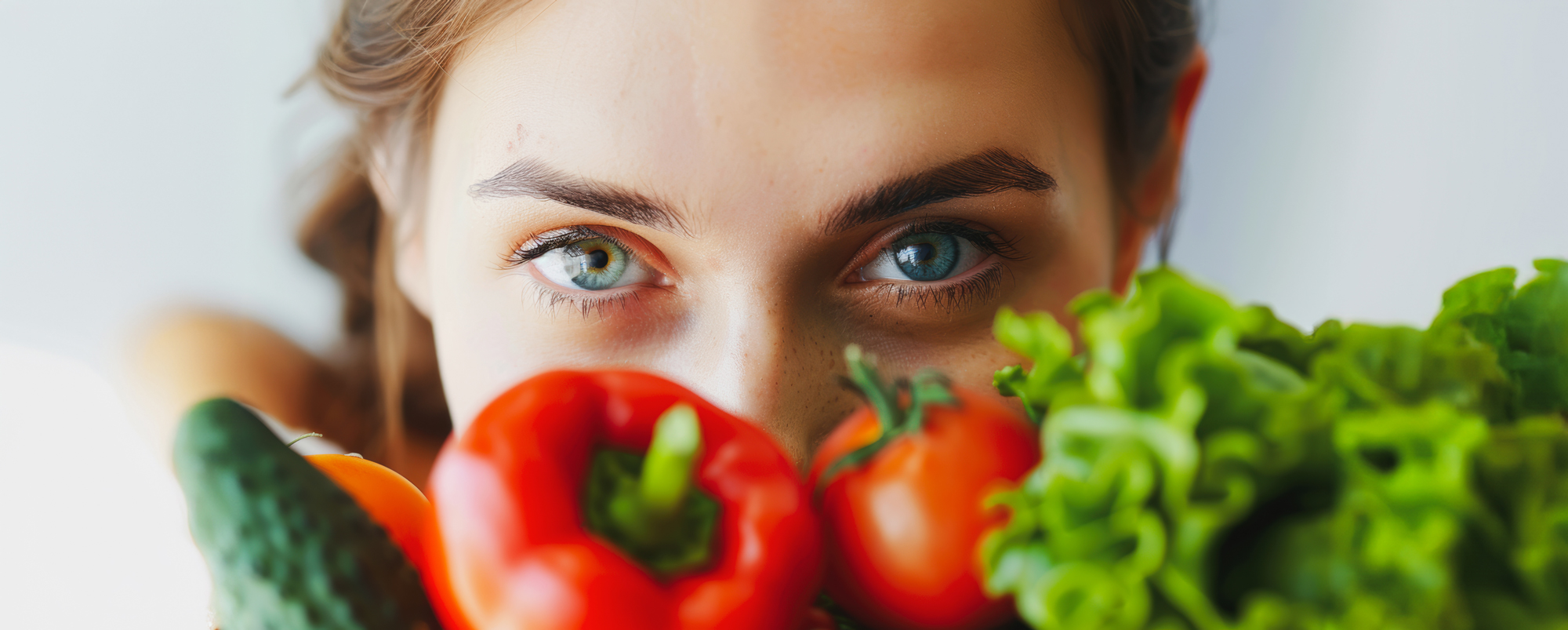
Most people know that nutrition plays an important role in heart health, brain function, and overall wellness. But what many people do not realize is that the foods you eat can also influence your eye health.
While there is no single food or supplement that can prevent every eye condition, research continues to show that certain nutrients may help support healthy vision and contribute to long-term eye health. Combined with regular eye exams and healthy lifestyle habits, a balanced diet can be an important part of protecting your eyesight as you age.
Why Nutrition Matters for Eye Health
Your eyes are complex organs that rely on a steady supply of vitamins, minerals, antioxidants, and healthy fats to function properly. Just like the rest of your body, your eyes can be affected by inflammation, oxidative stress, and the natural aging process.
Over time, these factors may contribute to common eye conditions such as cataracts, dry eye syndrome, age-related macular degeneration (AMD), and diabetic eye disease.
A nutrient-rich diet may help support the structures within your eyes and provide the building blocks needed to maintain healthy visual function throughout life.
Key Nutrients That Support Healthy Vision
Omega-3 Fatty Acids
Omega-3 fatty acids are healthy fats that play an important role in eye health, particularly when it comes to tear production and overall eye comfort. Many patients who experience dry, irritated, or burning eyes may benefit from ensuring they get adequate omega-3s through their diet.
Foods rich in omega-3 fatty acids include:
- Salmon
- Tuna
- Sardines
- Walnuts
- Flaxseeds
- Chia seeds
Lutein and Zeaxanthin
Lutein and zeaxanthin are antioxidants that naturally accumulate in the retina and macula, the areas of the eye responsible for central vision. These nutrients help filter harmful blue light and may help protect eye tissues from oxidative stress.
Good sources include:
- Spinach
- Kale
- Collard greens
- Broccoli
- Peas
- Eggs
Vitamin A
Vitamin A is essential for maintaining healthy vision, especially in low-light conditions. A deficiency in vitamin A can lead to vision problems and may affect the surface of the eye.
Foods high in vitamin A include:
- Sweet potatoes
- Carrots
- Pumpkin
- Cantaloupe
- Spinach
- Liver
Despite the popularity of carrots as an eye health food, they are only one piece of a much larger nutritional picture.
Vitamin C
Vitamin C is a powerful antioxidant that helps support healthy blood vessels throughout the body, including those in the eyes. Some research suggests that diets rich in vitamin C may help support long-term eye health and healthy aging.
Foods rich in vitamin C include:
- Oranges
- Strawberries
- Bell peppers
- Grapefruit
- Kiwi
- Tomatoes
Vitamin E
Vitamin E helps protect cells from oxidative damage and works alongside other antioxidants to support overall eye health.
Good dietary sources include:
- Almonds
- Sunflower seeds
- Hazelnuts
- Peanuts
- Avocados
Zinc
Zinc plays a role in transporting vitamin A from the liver to the retina and is involved in many important biological processes within the eye.
Foods containing zinc include:
- Lean beef
- Poultry
- Beans
- Chickpeas
- Pumpkin seeds
- Oysters
Can Nutrition Help Prevent Eye Disease?
Nutrition is important, but it is important to set realistic expectations.
A healthy diet cannot guarantee that someone will never develop an eye condition. Genetics, age, lifestyle, and certain medical conditions all influence eye health as well.
However, studies have shown that good nutrition may help support healthy aging and may reduce some risk factors associated with certain age-related eye conditions.
Think of nutrition as one piece of a larger eye health strategy rather than a cure or replacement for professional care.
Do Not Forget About Hydration
Many people focus on vitamins and supplements while overlooking one of the simplest factors that can affect eye comfort: hydration.
Your eyes depend on a healthy tear film to remain lubricated and comfortable. Not drinking enough water can contribute to feelings of dryness, irritation, and discomfort.
This can be especially noticeable during hot summer months, after spending time outdoors, or during long periods of screen use.
Staying hydrated may not solve every case of dry eye, but it can help support overall eye comfort and wellness.
Nutrition and Screen Time
Modern lifestyles present challenges that previous generations did not face.
Many adults spend hours each day looking at computers, tablets, and smartphones. Excessive screen use can contribute to digital eye strain, dry eye symptoms, headaches, and temporary blurred vision.
While nutrition cannot completely eliminate digital eye strain, maintaining overall eye health through a balanced diet may help support visual comfort and function.
It is also important to follow healthy screen habits, including taking regular breaks and blinking frequently during prolonged computer use.
Nutrition Is Important, But So Are Regular Eye Exams
Even the healthiest diet cannot replace routine eye care.
Many eye conditions develop gradually and may not cause symptoms in their earliest stages. Conditions such as glaucoma, diabetic eye disease, cataracts, and macular degeneration can often progress before a patient notices a change in vision.
Regular comprehensive eye exams allow your eye doctor to monitor your eye health, detect concerns early, and recommend appropriate treatment when necessary.
Early detection remains one of the most effective ways to protect your long-term vision.
Ready to Take a Proactive Approach to Your Eye Health?
A healthy diet is one important part of protecting your vision, but it is only one piece of the puzzle. Regular eye exams can help detect changes in your eye health early and ensure you receive the care you need to maintain clear, healthy vision for years to come.
You can fill out the form below or call (817) 277-6433 to schedule an appointment in Arlington, or call (817) 477-0223 to schedule in Mansfield.