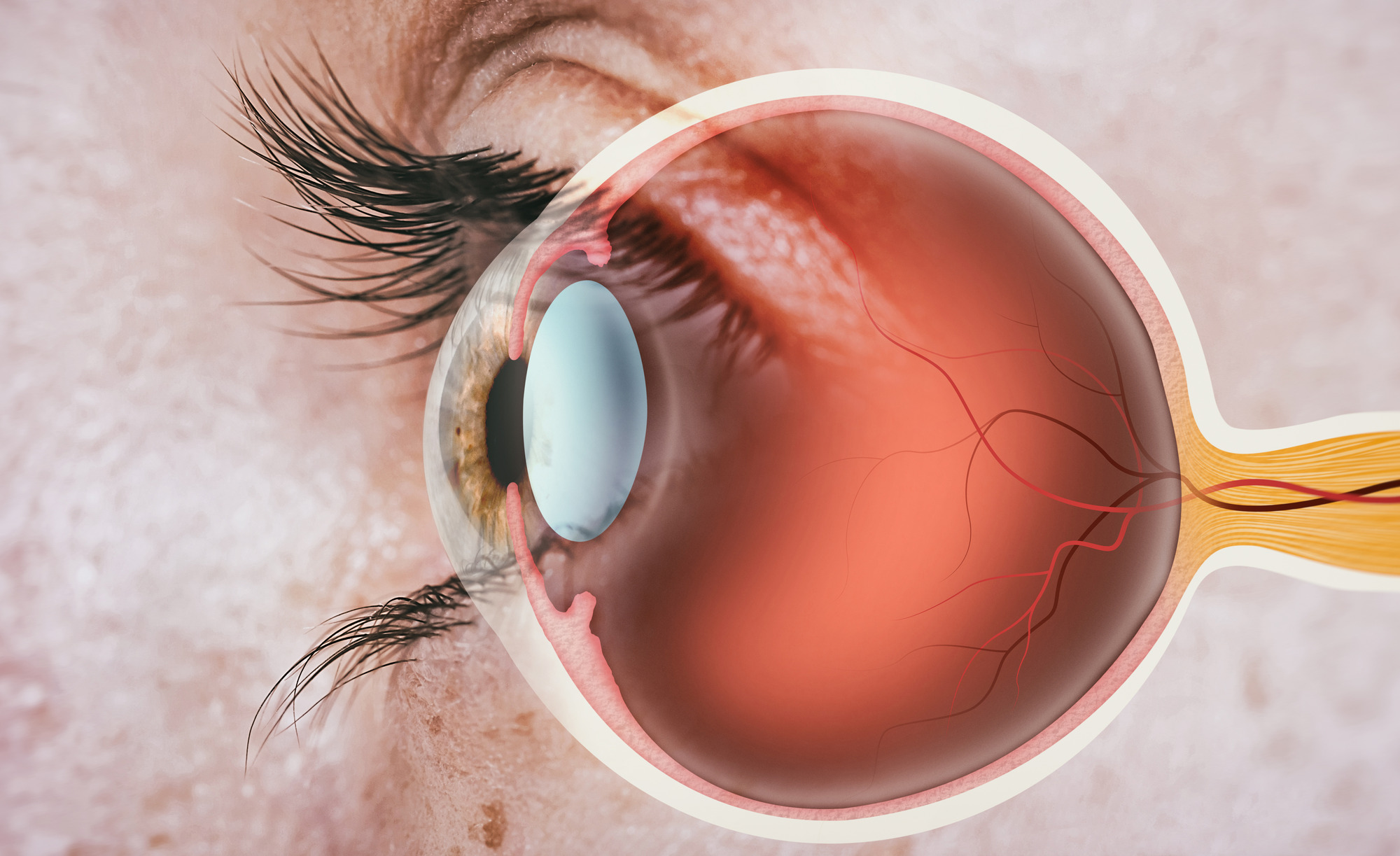
Your retina is one of the most important parts of your eye; it is the thin layer of light-sensitive tissue that lines the back of your eye and sends visual signals to your brain. When it’s healthy, it allows you to see the world in sharp detail.
But when something goes wrong with the retina, vision can change quickly, and sometimes seriously. That’s why understanding the signs of retinal tears and detachments and getting regular eye exams is so important.
What Is Retinal Health and Why It Matters
Your retina acts like the film of a camera: it captures incoming light and converts it into electrical signals that the brain interprets as images. A variety of conditions can affect retinal health, including age-related changes, injury, diabetes, high myopia (nearsightedness), and other eye diseases.
Two of the most serious retinal issues are retinal tears and retinal detachments. Although these conditions are painless, they can lead to permanent vision loss if not treated promptly.
What Is a Retinal Tear?
A retinal tear happens when the vitreous gel inside the eye pulls away from the retina and creates a rip in the retinal tissue. This is a serious condition because it can allow fluid to seep underneath the retina, increasing the risk of a full retinal detachment.
Common Symptoms of a Retinal Tear
- New or sudden floaters – small specks, threads, or cobweb-like shapes drifting through your vision.
- Flashes of light – quick bursts or streaks of light that appear especially at the edges of your vision.
- Blurred vision or changes in clarity in the affected eye.
It’s important to note that not everyone with a retinal tear will have noticeable symptoms, but many do, and these symptoms should never be ignored.
What Is a Retinal Detachment?
If a retinal tear isn’t treated, fluid can pass through the tear and slowly lift the retina away from the back wall of the eye, leading to a retinal detachment. Think of it like wallpaper peeling off a wall: once it’s detached, the retina can no longer function properly.
Signs of Retinal Detachment
Retinal detachments can happen suddenly, and symptoms often appear before vision is severely affected. Key warning signs include:
- Sudden increase in floaters
- Flashes of light in one or both eyes
- A shadow or curtain over part of your vision
- Blurred or declining vision
Unlike many health conditions, retinal detachment is typically pain-free, which means that noticing changes in vision early is crucial.
When more of the retina detaches, the risk of permanent vision loss increases, so prompt evaluation and treatment are essential.
Who Is at Risk?
Certain factors can increase your likelihood of experiencing retinal tears or detachments, including:
- Advanced age
- High nearsightedness (myopia)
- Previous eye surgery or trauma
- Family history of retinal problems
- Presence of conditions like lattice degeneration
- Diabetes and other systemic diseases
But anyone can develop a retinal issue, even people without known risk factors. Awareness and regular eye care are key.
How Retinal Problems Are Detected
The only way to definitively detect retinal tears or detachments is through a comprehensive dilated eye exam. During this exam, your eye doctor will carefully examine the retina and vitreous with specialized lenses and techniques to look for signs of tears, detachments, or other abnormalities.
Regular dilated exams are especially important for anyone with symptoms like floaters or flashes, or for those who are at higher risk due to age, diabetes, or prior eye conditions.
Protect Your Vision at Paragon Eye Associates
Retinal tears and detachments may sound scary, but early detection and treatment can make all the difference in preserving your sight. At Paragon Eye Associates, our expert team provides comprehensive eye exams designed to detect early signs of retinal tears, detachments, and other retinal issues before they progress.
Whether you’re due for a routine exam or have noticed changes in your vision, we’re here to help patients throughout the greater Arlington and Mansfield, TX areas protect their eye health.
Fill out the form below or call to schedule your eye exam:
- Arlington Office: (817) 277-6433
- Mansfield Office: (817) 477-0223
Your vision matters; don’t wait to have sudden changes checked by a professional.